The Power of Now

I recently purchased the book The Power of Now by Eckhart Tolle because I was intrigued by this idea:

Depression is dwelling on the past, anxiety is dwelling on the future, and peace is dwelling on the present.

Maybe you’ve heard something like that before. There is a very similar quote attributed to Lao Tzu, although I’ve heard that it may be questionable who really said it.

But this idea that living in the present moment is the key to peace and happiness has been something I have been pondering for a while.

The premise of Tolle’s book is that depression is experienced because we are dwelling on negative feelings about the past, like regret, guilt, or self-loathing. Anxiety is experienced when we negatively dwell on the future, causing feelings of fear, worry, or dissatisfaction with life in general. True peace and happiness, according to Tolle, comes when we stop living so much in our heads, and take time to be present in the here and now.

There are examples in the Bible that would seem to echo this idea. The Lord’s prayer (Matthew 6:9-13) uses the phrase “give us today our daily bread” (NIV), which could imply that we only need to ask God for things concerning today (we don’t need to ask him for tomorrow’s bread, we just need today’s.) A little later in chapter 6, it says “therefore do not worry about tomorrow, for tomorrow will worry about itself.”

In the book of Exodus, when the Israelites are wandering in the desert, God provides daily food for them – manna and quail (ch. 16). The people are instructed to “go out each day and gather enough for that day.” Anyone who gathered more than a day’s worth found it to be rotting and “full of maggots” by the next morning.

Mindfulness, the practice of being fully present with where we are and what we’re doing, has been gaining popularity in Western culture over the past decade or so, and it also heavily utilizes the present moment, the NOW, to decrease stress and anxiety. Mindfulness meditations typically have you focus on sensations in your body and view your body and thoughts in a non-judgmental way. Headspace, one of my top picks, is a great app to check out for guided mindfulness meditations.

Obviously the idea of there being power in the now is not new or uniquely attributed to one person.
So what does it look like practically to live in the present moment?

Read More »

When Healthy Eating Becomes Too “Healthy”

(TW for disordered eating)

I wanted to write a follow-up to my post about eating salmon every day for clear skin – I got a lot of “likes” on that post, so it seems like it’s a topic of interest, or at least intrigue, for many.

First of all, you may be wondering: how is my skin doing? Am I still eating salmon every day? 

The answers to those questions are that my skin is doing okay – it’s not perfect, mind you – and I am NOT eating salmon every day anymore. 

I was eating salmon daily for a while, and my skin really did improve (I was also limiting my sugar, gluten, and dairy, as those also seemed to be triggers for acne for me.) But even so, my skin still never fully achieved perfection. 

I have a friend who on Facebook is an advocate for fighting against disordered eating and fatphobia. Her posts have recently challenged me to think about my own relationship to food, and my own dieting habits. I realized that I was slowly getting stricter and stricter with my diet – I was eating salmon daily, but also cutting out multiple other foods. I was looking at food only in terms of “will this make me break out or not?” I began to be afraid to eat many foods, even small amounts of them. At the same time, sometimes I really craved eating some ice cream or a cookie! But I felt stuck in my rigid diet because I knew eating those things would make my skin break out. 

I had to be honest with myself and admit that this was unhealthy, and probably verging on disordered eating. And I’ve got a history of disordered eating (look up the term “orthorexia”), and I didn’t want to get to that place again. I wasn’t afraid of becoming fat or overweight, but I was terrified of having bad skin, of looking less than perfect. Acne-phobic? Imperfect-phobic?

I had also really wanted to clear my skin naturally – not using any sort of pills or topical medications or anything like that. I had hoped that eating the right foods (and not eating the wrong foods) would just balance my body out on its own. But instead, I think I set myself up to try to reach an impossible goal. I realized I was so preoccupied with what I was eating, and so scared of my skin breaking out, that it was affecting my life, and that I needed to make a change. 

Read More »

The Connection Between Your Mental Health and Physical Health

For the past few weeks, I’ve been really tired. Like REALLY tired. I found myself falling asleep on the couch after work – going to bed at 8:30 – coming home in the middle of the day to take naps… It seemed like no matter how much sleep I got, I still felt exhausted. 

I began wondering if something weird was going on. Was I sick? Was I pregnant? Did I have COVID and my only symptom was intense fatigue? 

If you’re a follower of my blog, you’ll notice that in the past three weeks, I haven’t published anything. Not only that, I really didn’t write anything at all those few weeks – not drafts, not personal journaling or anything. I normally try to get up early to have quiet devotional time and to write, but even though I set my alarm to get up early (and had gone to bed at a reasonable hour), I still woke up every day feeling tired and hit the snooze button.

What was going on? 

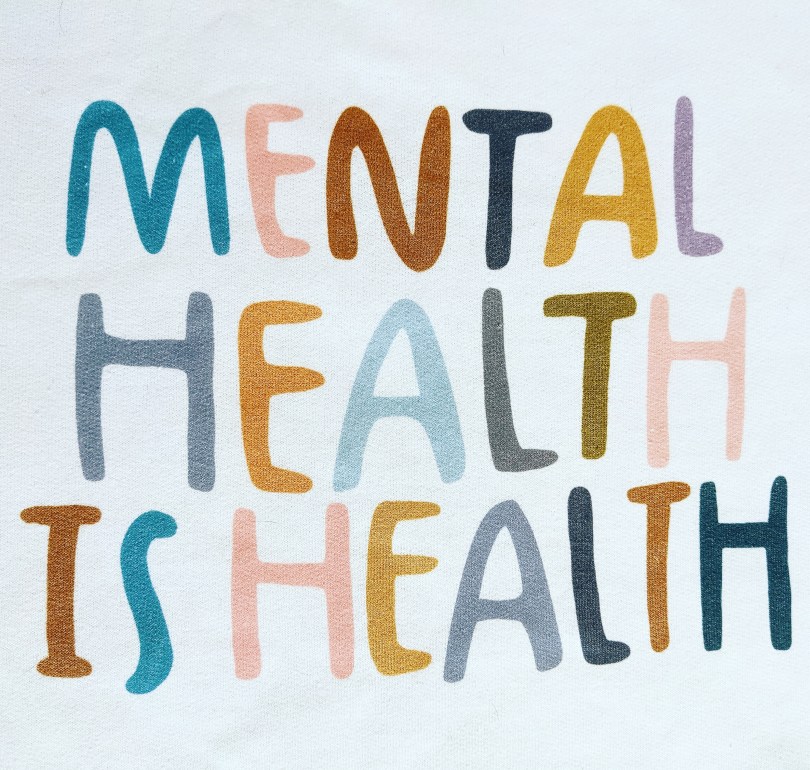
I have this sweatshirt I purchased recently that says “Mental health is health.” I love it not only because it’s cute and comfortable, but because of the message it broadcasts. Mental health affects our physical health. They are so intricately connected that to really be in a state of health at all, our mental health must be cared for. 

It only takes doing a quick Google search to get thousands of results on the link between mental health and physical health. One of the results I found was from the Hillside Mental Health Facility’s blog, and it described some of the warning signs that a person’s mental health may be negatively shifting, which included:

  • Changes in sleeping and eating patterns
  • Withdrawal from friends, family and activities
  • Loss of energy
  • Increasing irritability and mood swings
  • Loss of performance at school or work

Looking back, I realize now that I was also losing motivation at work, and having increased irritability with members of my family. Basically, I was exhibiting most of these warning signs. 

I should have noticed more of the red flags. I know from past experience that when I’m stressed or overwhelmed, (or when depression might be kicking in), I tend to cope by sleeping. Some people can’t sleep when they’re anxious or stressed, but I tend to start checking out and want to sleep all of the time. 

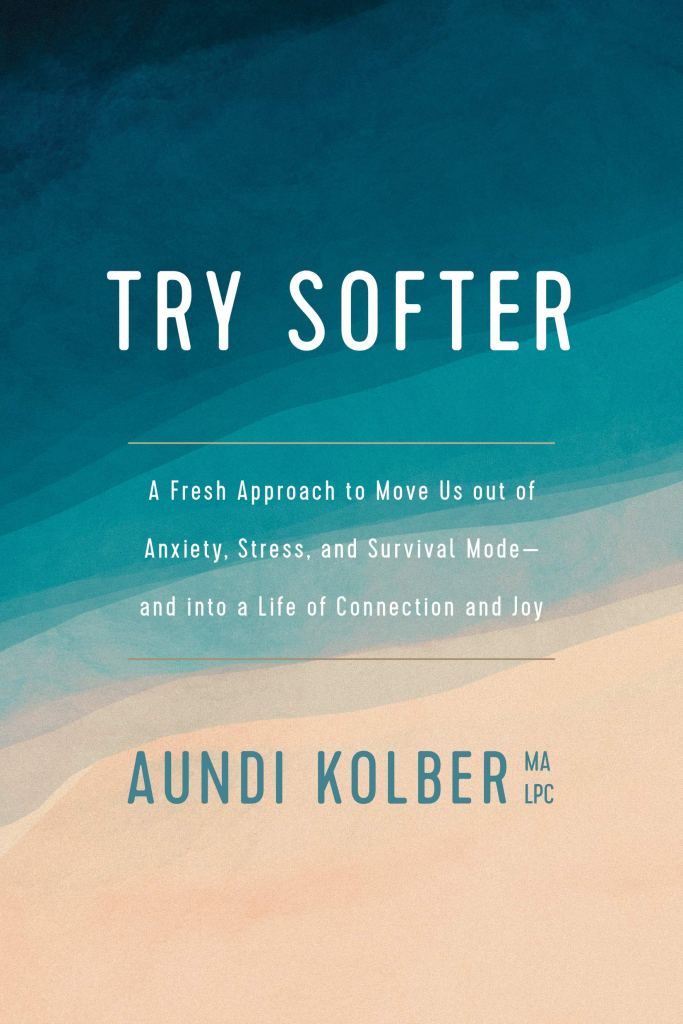
In the book Try Softer by Aundi Kolber, (one of my top recommended books!) she describes the idea of your “window of tolerance” (WOT). She is referring to our ability to tolerate discomfort, specifically emotional discomfort. All of us have an amount of emotional discomfort or growing pains that we can tolerate – this is our “just right” amount where we won’t be at risk of becoming overwhelmed emotionally and physiologically. But once we hit our limits, we can either go into hyperarousal or hypoarousal. 

Hyperarousal mode feels like being overwhelmed with adrenaline or anger. You are out of control. You may feel the need to be moving (trying to flee whatever stressful event you are experiencing).

Hypoarousal mode causes a person to feel sluggish or depressed. You become disconnected from the world. In a word, numb. 

Read More »