How the Enneagram Helps You Recognize Your Mental Health Red Flags

I said that the next time I posted, I would talk about some of the things I find helpful when I’m in a mental health slump. But as I thought more about it, I wanted to be sure to first talk more about how to recognize your own mental health red flags. Before you can get help, you have to realize that you need it.

On my resources page, there are two different infographics that can offer some insight regarding this. One is from the National Institute of Mental Health (NIH) titled My Mental Health: Do I Need Help? The other is from the National Alliance on Mental Illness (NAMI) and is called Common Warning Signs of Mental Illness.

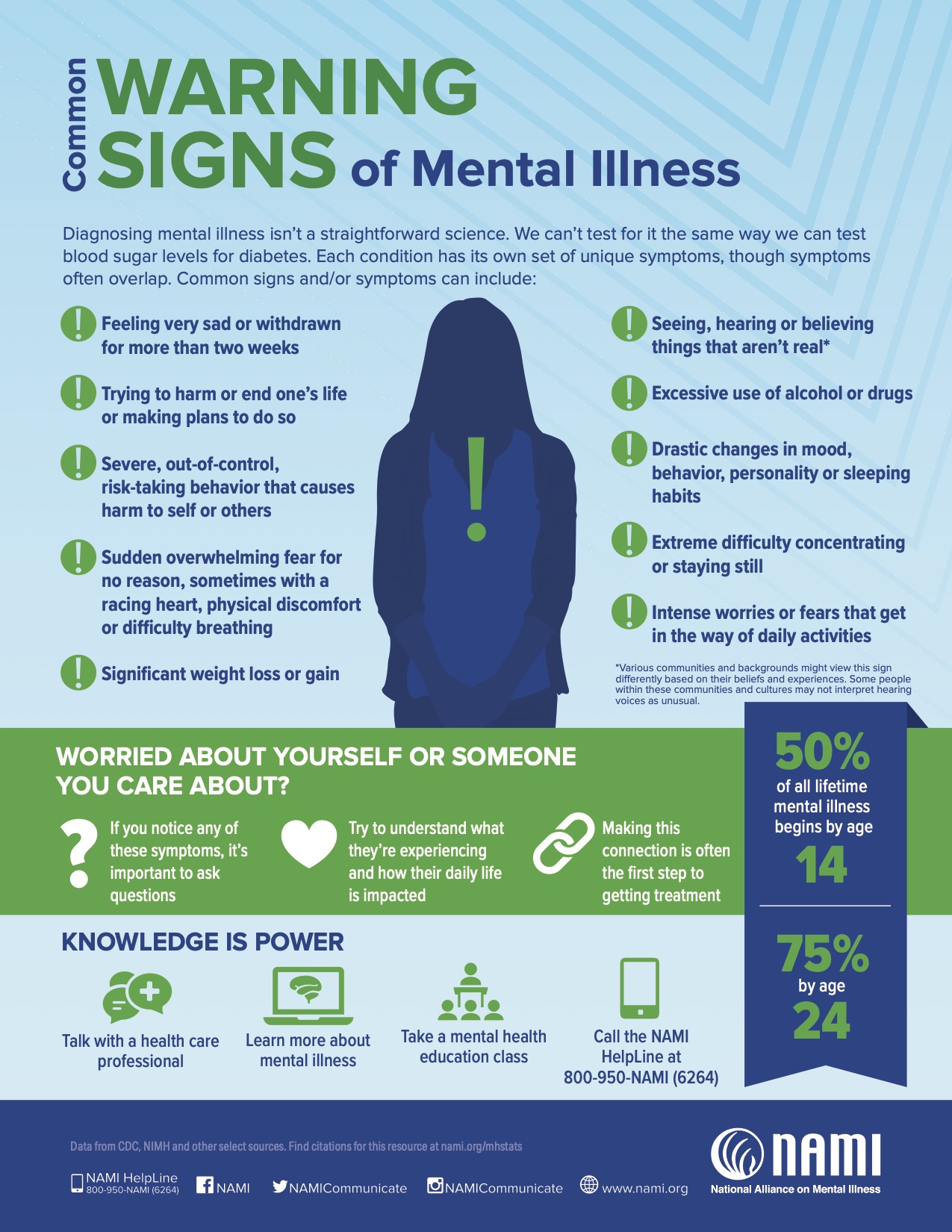
Those infographics are a great place to start, but I also think each person has their own unique red flags and triggers when it comes to mental health issues. And learning what your own unique red flags are will be immensely helpful in making sure you don’t go too far down the path towards a mental health crisis before intervening. 

Another really amazing resource for identifying your own personal red flags is the Enneagram. 

I have found the Enneagram to be an absolutely amazing tool for helping me learn more about myself and try to grow into a healthier version of myself.

If you’re unfamiliar with the Enneagram, I recommend checking out the Enneagram Institute. Essentially, the Enneagram helps you to find your basic personality type out of 9 different options. Once you know your type, you can really start digging in to all the resources the Enneagram has to offer!
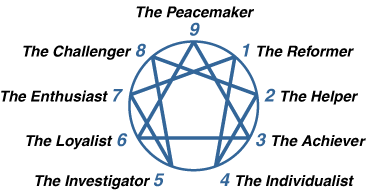
Enneagram chart with types listed

Each Enneagram type is associated with a basic set of general traits that describe them, and each type also has unique traits that they exhibit when they are in times of stress (disintegration) and times of growth (integration). 

I am an Enneagram type 1 – which is known as the Reformer (or Perfectionist). When Ones are in a healthy place, their growth arrow moves them towards the healthy traits of a Seven (the Enthusiast), which means they become “more spontaneous and joyful” (often hard for Ones who like having control of all situations.) But when Ones are in a state of stress, or disintegration, their arrow points them towards a Four (the Individualist), which means they might become a bit more “moody, irrational, or dramatic” (some of the less-healthy traits an Enneagram Four might exhibit.)

Over the years, I’ve started paying attention to myself more, and have discovered a few telling signs when I’m under stress. One of the big ones for me is that my tolerance for mess and clutter goes to zero. I like things to be neat and tidy on my best days, but when I’m under stress, every little pile of papers and dirty dish just grates on me like nothing else! So I find myself spending all my free time cleaning, and it’s never good enough. And then I see my family members doing things they enjoy, like playing games or relaxing on the couch, and I start to get angry that no one is helping me with all the chores.

Read More »

cat looking in through slightly open window

The Sneaky Side of Depression

I think one of the most helpful things I’ve done in trying to maintain my mental health is to become aware of my own personal red flags.

There are certain things, when they start happening, that make me suddenly wonder if something is off. Suddenly I’ll realize, “oh, I’m not handling things well anymore.” 

For me, some of those red flags are:

  • Getting overly emotional at everything (more crying than usual)
  • Feeling tired and fatigued all the time (wanting to sleep as a coping mechanism)
  • The stopping of activities I normally enjoy (lack of motivation to do them)
  • Becoming extra critical and annoyed with others
  • Being extremely bothered by clutter (feeling obsessive about needing to have the house clean)

A few weeks ago I was at work reading one of my daily news emails that I subscribe to, and that day it was focused on the war in Ukraine. As I read about numerous innocent people dying, I suddenly felt so overwhelmed. I just wanted to start sobbing about the injustice of it all – literally, I was having trouble keeping it together. Now, I’m not saying that the war in Ukraine isn’t something worth crying about or getting emotional over. Obviously, it’s a very serious situation. But the reaction I was having was more extreme than was normal for me. That was hint #1 to me that maybe I was dealing with some extra anxiety, or even depression, settling in.

I thought over the previous weeks, and realized I had gotten out of some of my normal routines. I wasn’t writing or blogging anymore. I wasn’t taking time to pray or do other spiritually-focused activities. I certainly wasn’t taking time to exercise either. So what was I doing with all my time? I was sleeping a lot more, going to bed early and waking up late, despite setting my alarm for 5:30 each morning in the hopes that I would actually get up and write (which wasn’t happening). No matter how much I slept, I still felt tired. I was wasting a lot more time on Netflix and social media. It felt like I was busy all day, but I wasn’t really doing anything of substance.

And yes, I felt extra annoyed with people, especially the people I lived with. In my mind, the house was a disaster. Why did it feel like I was the only one in our family who pulled their own weight? How could everyone else stand to ignore the mess and clutter and go about their happy little lives? I had blown up a few times at my husband Dean, and had made it loud and clear that I was tired of being the “only one” who took care of things.

Basically, ALL of my red flags were showing. But this didn’t even occur to me until that day in my office when I was struggling to not have an emotional breakdown over the current news about Ukraine. 

Read More »
2022

My Word for 2022: Forgive

After writing my last post, it got me thinking a lot about forgiveness. It’s been a topic that has been surfacing again and again in the last few months, and I’m thinking that I need to take note of it. 

I have a hard time with forgiveness. I’m sure everyone does to some extent, but I realized recently that my personality is wired to make it extra challenging. I’m an Enneagram 1 – and Ones are described as having a “strong, innate desire for fairness, accuracy, and order. They tend be bold advocates for the rights of others and when healthy, may challenge the status quo to make push for reforms and equality.” 

The book The Road Back To You calls Enneagram 1s “Reformers.” But another word that is also accurate is “Perfectionist.” Ones don’t like mistakes. They want things to be fair. Getting taken advantage of, or seeing another person get taken advantage of, is extremely aggravating for Ones. Ones often have issues with resentment and unexpressed anger.

All of that mixed together in one personality can make it very hard to forgive. I think a lot of Enneagram 1s also find it hard to offer forgiveness to themselves, due to their constant inner critic. 

Fairness and justice are wonderful things. Being an advocate for those who can’t advocate for themselves is awesome – and hooray to Ones for upholding those values. 

But it sure makes the world a hard place to live in sometimes. Life is not fair, it’s not always just. People are selfish and make mistakes. 

My personal focus for last year was “spiritual bravery.” I wanted to have more faith and courage in God. I wanted to release my desire to control everything all of the time. It was a good focus, and I’ve grown in faith and spiritual courage this past year. 

As I thought ahead to 2022, even though I was not super excited about it, all signs pointed to one word: Forgiveness. 

What were the signs, you may wonder? I had recently attended a Bible class at my church, and the teacher made the following statement:

“If you read everything that Jesus said in the Bible, and there’s not something that bothers you, you’re not paying attention.”

Randy Harris
Bible

He was specifically referencing Jesus asking us to forgive others, even those who don’t deserve it. (Matthew 18:21-22)

Then less than a week later, I found myself in a situation where I was really angry with a friend and needed to forgive her. I thought of a lot of reasons not to, and tried to rationalize with myself that she didn’t deserve for me to forgive her yet again. But then I remembered that Bible class, and I remembered what God calls me to do: forgive others. 

If I’m honest, I don’t want this to be my focus. (And that’s part of the reason why I am confident this is supposed to be my word for this year!) It’s going to be a challenge, and something that I am confident I will fail at many times.

But I know I need to be more intentional about fostering forgiveness, and I need to practice it more often so that hopefully down the road, it won’t be as difficult as it feels today. Honestly, I think the only way I’m going to make any progress at it is going to be through the grace of God, and his transforming power.

If you’ve grown up going to church or reading the Bible to any extent, you’ve probably heard many verses and sermons about forgiveness. So at this time, I won’t go into all the reasons why, from a Biblical perspective, we should forgive. (But if you’re interested, I found a site that goes into depth on 10 reasons why the Bible tells us to forgive – or you can always grab a Bible and do your own studying.)

My top reasons for wanting this to be my focus for this year do revolve around God and personal spiritual growth. But even if you don’t consider yourself a religious or spiritual person, there are still some great reasons to forgive others.

Read More »