The Connection Between Your Mental Health and Physical Health

For the past few weeks, I’ve been really tired. Like REALLY tired. I found myself falling asleep on the couch after work – going to bed at 8:30 – coming home in the middle of the day to take naps… It seemed like no matter how much sleep I got, I still felt exhausted. 

I began wondering if something weird was going on. Was I sick? Was I pregnant? Did I have COVID and my only symptom was intense fatigue? 

If you’re a follower of my blog, you’ll notice that in the past three weeks, I haven’t published anything. Not only that, I really didn’t write anything at all those few weeks – not drafts, not personal journaling or anything. I normally try to get up early to have quiet devotional time and to write, but even though I set my alarm to get up early (and had gone to bed at a reasonable hour), I still woke up every day feeling tired and hit the snooze button.

What was going on? 

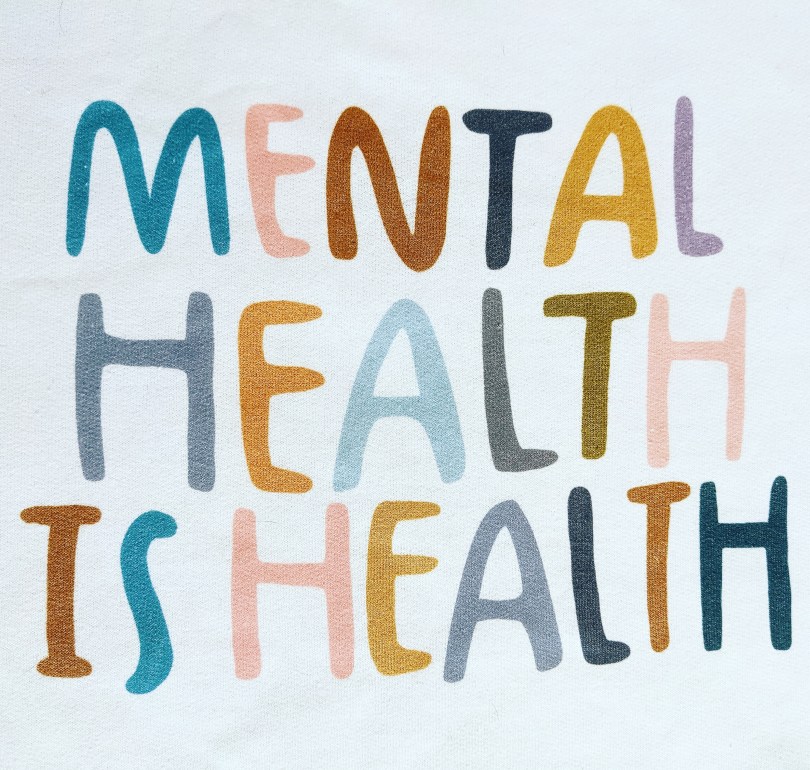
I have this sweatshirt I purchased recently that says “Mental health is health.” I love it not only because it’s cute and comfortable, but because of the message it broadcasts. Mental health affects our physical health. They are so intricately connected that to really be in a state of health at all, our mental health must be cared for. 

It only takes doing a quick Google search to get thousands of results on the link between mental health and physical health. One of the results I found was from the Hillside Mental Health Facility’s blog, and it described some of the warning signs that a person’s mental health may be negatively shifting, which included:

  • Changes in sleeping and eating patterns
  • Withdrawal from friends, family and activities
  • Loss of energy
  • Increasing irritability and mood swings
  • Loss of performance at school or work

Looking back, I realize now that I was also losing motivation at work, and having increased irritability with members of my family. Basically, I was exhibiting most of these warning signs. 

I should have noticed more of the red flags. I know from past experience that when I’m stressed or overwhelmed, (or when depression might be kicking in), I tend to cope by sleeping. Some people can’t sleep when they’re anxious or stressed, but I tend to start checking out and want to sleep all of the time. 
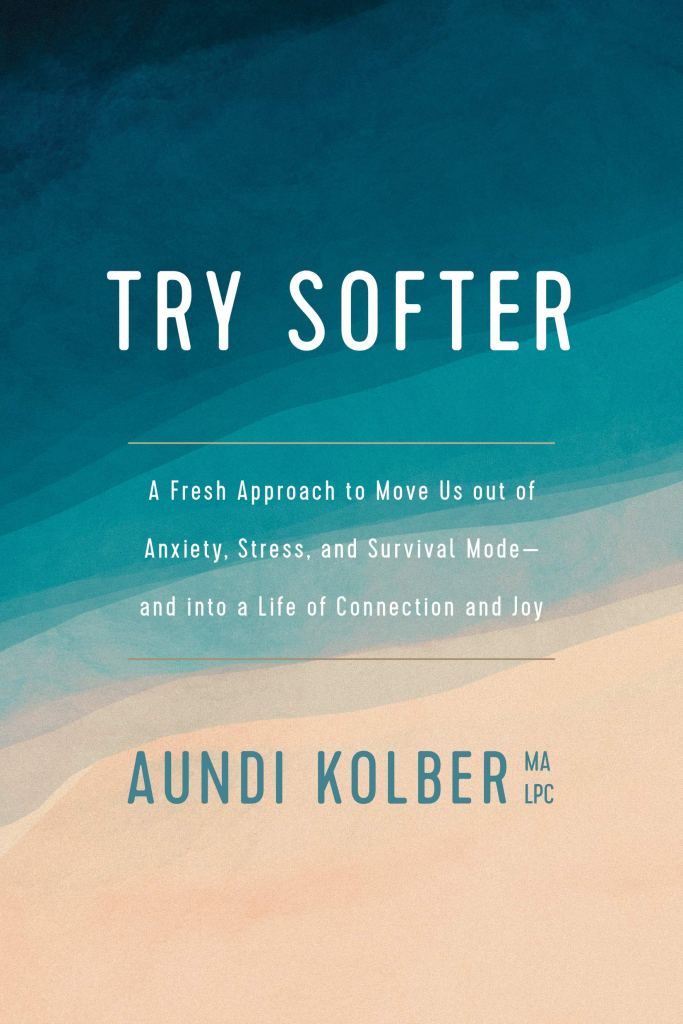
In the book Try Softer by Aundi Kolber, (one of my top recommended books!) she describes the idea of your “window of tolerance” (WOT). She is referring to our ability to tolerate discomfort, specifically emotional discomfort. All of us have an amount of emotional discomfort or growing pains that we can tolerate – this is our “just right” amount where we won’t be at risk of becoming overwhelmed emotionally and physiologically. But once we hit our limits, we can either go into hyperarousal or hypoarousal. 

Hyperarousal mode feels like being overwhelmed with adrenaline or anger. You are out of control. You may feel the need to be moving (trying to flee whatever stressful event you are experiencing).

Hypoarousal mode causes a person to feel sluggish or depressed. You become disconnected from the world. In a word, numb. 

Read More »

5 Ways I’m Coping While Waiting for Pregnancy

2020 has been a year that has given us so many reminders of how little control we really have in any situation. We like to pretend that we have our lives totally planned out, that we will be able to do what we want to do when we want to do it.

But then, SURPRISE! Life never works out that way.

Over a year ago, I really thought it was the right time to try for child #2. Literally last December I wrote a post about my decision to try to get pregnant again, and the emotional roller coaster that it had been. I never expected a year later that I would still be writing about attempting to get pregnant – and I really hope a year from now I’m not going to be writing about it anymore!

Each time that you see only a single line on a pregnancy test (or your period starts) is obviously disappointing. Some months it hits me really hard, and others I experience only a mild emotional reaction. I’m intentionally trying to make sure I stay in a healthy mental state as I continue to go through this process.

What does that look like for me? Below I’ll share five ways I’m coping with the waiting and monthly disappointment:

1. Pour my energy into areas where I am making definitive progress

Every month that you don’t get pregnant can feel like a failure. Maybe you didn’t get the timing right… maybe if you were eating better or exercising more… or taking this or that vitamin… You need to have areas in your life where you’re feeling successful and can be proud of what you’re accomplishing. I have two things that I am investing in right now: exercising and writing. After my foot surgery, I wasn’t sure if or when I would be able to run again, but I have been slowly working up to running over the past several months. And it has felt wonderful to watch my body make progress and get stronger! My other activity has been writing – writing daily. Writing is something I easily get lost in, and achieve “flow,” as some would call it. I’ve been waking up early to write every day, and have found a lot of joy in being more disciplined with my writing process.

Read More »

Would you, Could you, on a Boat?: Why You Should Try Therapy – You May Like It!

Image result for green eggs and ham images"

Sorry for my convoluted and very long post title – for some reason Green Eggs and Ham is on my brain. I had a counseling session *yesterday, and each time I go, I find myself confronted with an opportunity to grow and stretch myself – and I can choose to either take it or ignore it.

I’ve been going to counseling/therapy (I will use those words interchangeably) consistently for over 4 years. But four years ago, I was very resistant to trying it. What started out as marriage counseling evolved into me seeing great value in meeting with a therapist one-on-one.

Sometimes after I’ve told people I see a therapist, they have asked me, “does it help?” And my answer is definitely, 100%, yes! But I feel like I should elaborate on what I mean when I say it helps me. Each time I go to therapy, I uncover a tiny bit more about myself – I understand myself just a little bit better, and I start to figure out why I am feeling the ways I am feeling. Let me give you an example:

*Yesterday in therapy (it was a joint session with my husband), I brought up how I had been getting really frustrated recently that he was not helping out enough with our son in the mornings. I am a morning person, and my husband is more of a night owl. So inevitably, when my son wakes up, I am usually the first person he sees because Daddy is still sleeping. This means I’m typically the one to get our three-year-old his breakfast, answer his many questions about whatever pops into his mind, set up his favorite t.v. show, etc. The feeling this brought up for me was anger – it wasn’t “fair” that I was doing this “all by myself” (which is not true, but I am good at convincing myself otherwise sometimes). At face value, it seemed like the issue was about getting help with our son – but as we dug deeper, I realized that it wasn’t really about that. It was about me needing alone time, “me” time – time to read a book, write, and do other things that bring personal fulfillment. I was struggling to figure out how to find this alone time in my schedule, and I needed to ask for help.

Read More »