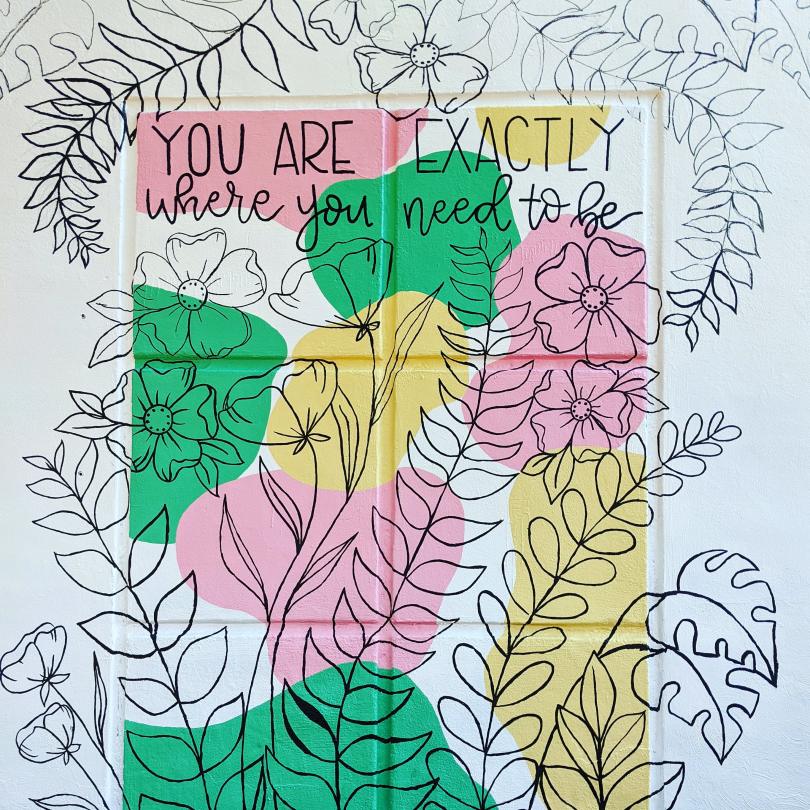
mural "You are exactly where you need to be"

Exactly Where You Belong

A few weeks ago as I was walking across my university’s campus to go to my Tuesday yoga class, I noticed these words written on the sidewalk in chalk: You are right where you belong.
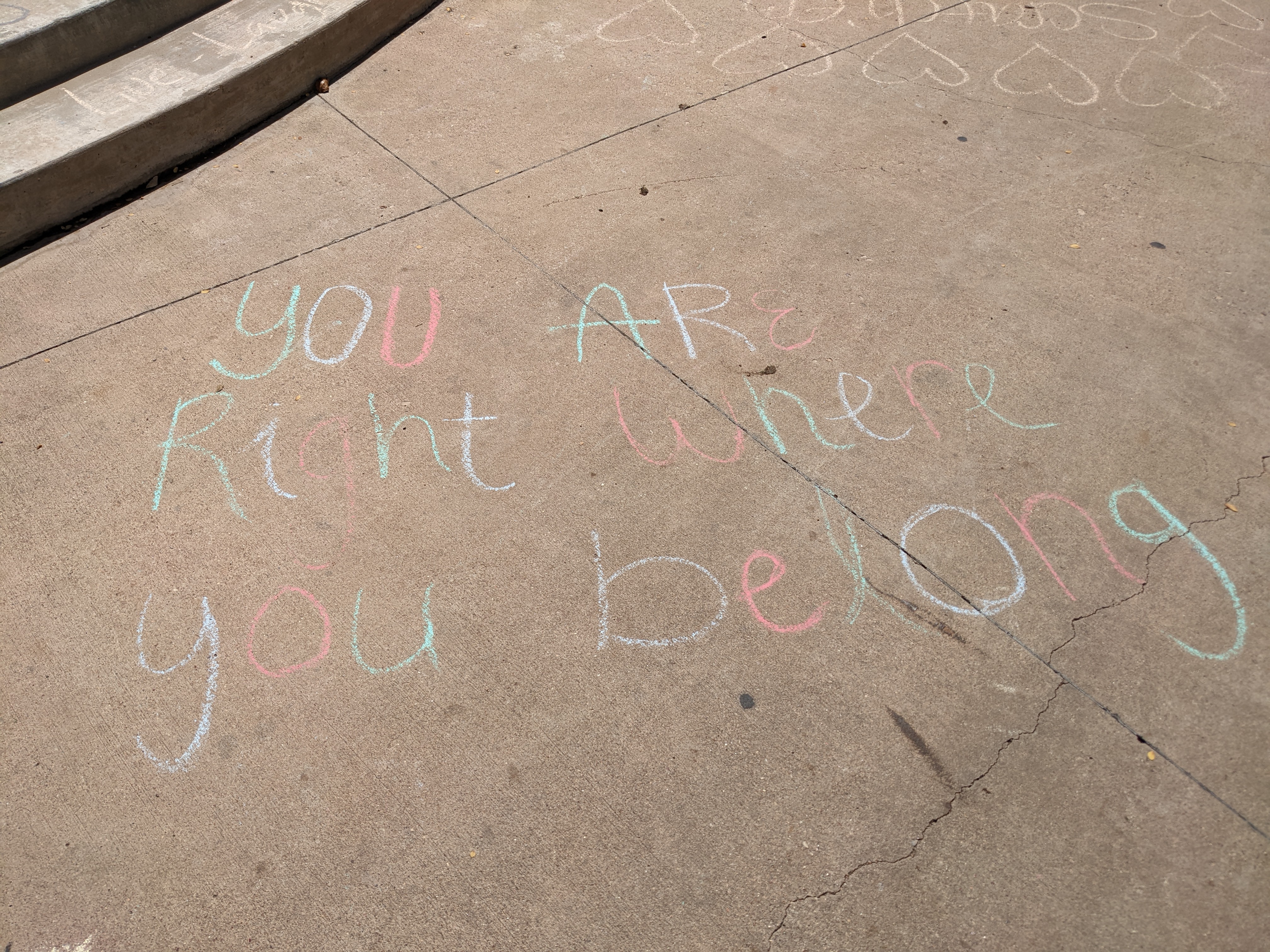
"you are right where you belong" in sidewalk chalk

I knew that these words had been written for the incoming freshman to make them feel more welcome, but I honestly felt like they were written for me too.

I’d been struggling over the past few months with feeling like I wasn’t sure if I was in the right place, or if I was going down the right path. I’d been laser-focused on accomplishing certain goals, and I had been failing at achieving them. For over two years now, I’ve thought I was going to have another baby – but infertility struggles have prevented that so far. Failure. At the beginning of 2022, I had a specific career path in mind, and even interviewed for a job I felt like I would be perfect for, but ended up not being chosen for it. Failure.

If you follow my blog, you know that what ended up happening with my job was that I worked with my boss to find a better fit at my current place of employment, and it’s been a really great change for me. And if I hadn’t been rejected by the other place I interviewed at, I would have never even considered moving to my current department. (I’m still in Library-land, now working in the Special Collections and Archives department.)

The unexpected job change still kind of rattled me though. (In a good way.) I had been so sure that I was going to be working at a different place, or possibly having another baby, that I never allowed myself to consider other possibilities. I had been stuck in a season of waiting, instead of a season of truly living. And I needed to be rattled in order to me to make me realize that.

It’s hard to give up on dreams – maybe “give up” is too strong of a phrase. It can be hard to simply have your dreams change. It sort of feels like a shift in identity. But I’m trying to lean in to the place where I’m at, and make the most of it.

As I go about each day, I’m trying to believe that I’m exactly where I need to be – that the people I interact with and the places I go are purposeful and important. That they are integral parts of my journey, and that someday I’ll look back and be able to see that so much more clearly.

Read More »
How the Enneagram Helps You Recognize Your Mental Health Red Flags

I said that the next time I posted, I would talk about some of the things I find helpful when I’m in a mental health slump. But as I thought more about it, I wanted to be sure to first talk more about how to recognize your own mental health red flags. Before you can get help, you have to realize that you need it.

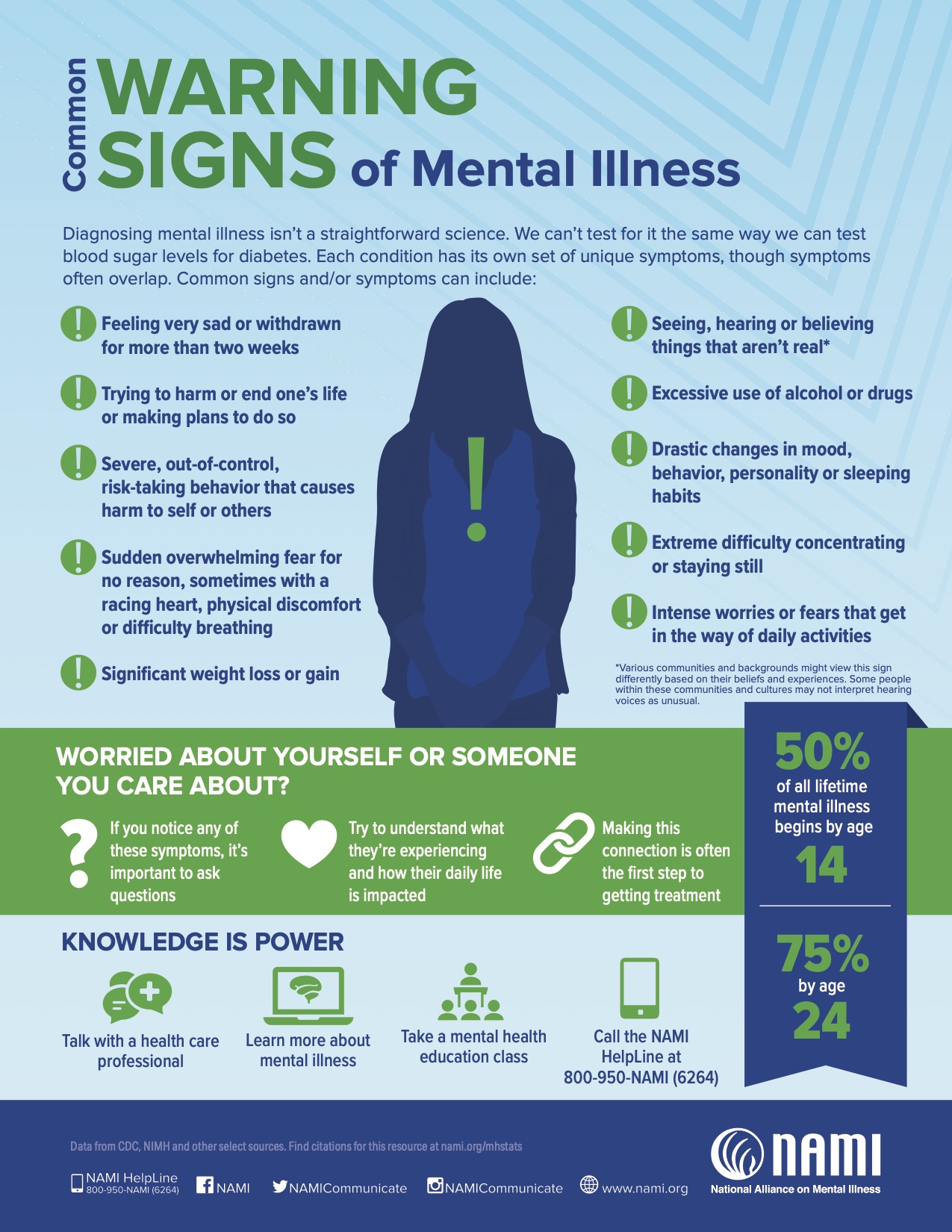
On my resources page, there are two different infographics that can offer some insight regarding this. One is from the National Institute of Mental Health (NIH) titled My Mental Health: Do I Need Help? The other is from the National Alliance on Mental Illness (NAMI) and is called Common Warning Signs of Mental Illness.

Those infographics are a great place to start, but I also think each person has their own unique red flags and triggers when it comes to mental health issues. And learning what your own unique red flags are will be immensely helpful in making sure you don’t go too far down the path towards a mental health crisis before intervening. 

Another really amazing resource for identifying your own personal red flags is the Enneagram. 

I have found the Enneagram to be an absolutely amazing tool for helping me learn more about myself and try to grow into a healthier version of myself.

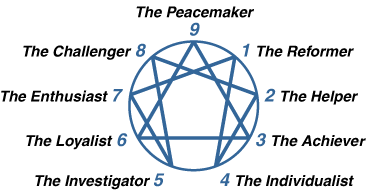
If you’re unfamiliar with the Enneagram, I recommend checking out the Enneagram Institute. Essentially, the Enneagram helps you to find your basic personality type out of 9 different options. Once you know your type, you can really start digging in to all the resources the Enneagram has to offer!

Enneagram chart with types listed

Each Enneagram type is associated with a basic set of general traits that describe them, and each type also has unique traits that they exhibit when they are in times of stress (disintegration) and times of growth (integration). 

I am an Enneagram type 1 – which is known as the Reformer (or Perfectionist). When Ones are in a healthy place, their growth arrow moves them towards the healthy traits of a Seven (the Enthusiast), which means they become “more spontaneous and joyful” (often hard for Ones who like having control of all situations.) But when Ones are in a state of stress, or disintegration, their arrow points them towards a Four (the Individualist), which means they might become a bit more “moody, irrational, or dramatic” (some of the less-healthy traits an Enneagram Four might exhibit.)

Over the years, I’ve started paying attention to myself more, and have discovered a few telling signs when I’m under stress. One of the big ones for me is that my tolerance for mess and clutter goes to zero. I like things to be neat and tidy on my best days, but when I’m under stress, every little pile of papers and dirty dish just grates on me like nothing else! So I find myself spending all my free time cleaning, and it’s never good enough. And then I see my family members doing things they enjoy, like playing games or relaxing on the couch, and I start to get angry that no one is helping me with all the chores.

Read More »
women fighter in sunset

Running with Knives (Part 2): the Self-Preservation Instinct

We each have a self-preservation instinct, to preserve our body, its life and effective function. This instinct, therefore, focuses us on physical safety, well-being, material security and comfort. Anxiety or stress may combine with this instinct to drive us to conserve or hoard energy and resources in response to demands from the environment or other people.

“Enneagram 27 Subtypes” | Integrative9.com

My therapist and I are both big fans of the Enneagram.

It’s pretty clear that I’m an Enneagram 1, but each Enneagram type also has a dominant subtype, or instinct. My therapist asked me which subtype I thought I was (the choices being self-preservation, one-on-one, or social), and I said I thought maybe I was a dominant social type. She smiled politely while shaking her head, and said to me, “self-preservation.”

We laughed together and I immediately knew she was right.

So much of my struggle with anxiety comes from the unknown, and being worried about being unprepared. I’m a worst-case scenario thinker, I expect the worst to happen so that if it does, I will be ready. Hence, why I always carry a knife in my pocket when I go out for a jog.

This is part two of a series on trauma, explaining how an event that happened 17 years ago still affects me today. (You can read part 1 here, where I share my story of almost getting abducted while walking my dog at night.)

In this post, I’d like to focus on the aftereffects of that traumatic event, how it changed me, and how I’m trying to strike a healthy balance between being overly fearful and feeling safe.

After watching my attempted kidnapper drive away that night, I went back inside and probably went into a bit of shock. I felt numb. My parents called the police and I remember a policeman asking me to describe the man. It felt so arbitrary, I knew they weren’t going to catch him based off of my generic description of his estimated height, weight, and hair color. I was so mad at myself for not memorizing the license plate number of his car.

The next day I went to school as normal and I don’t really remember thinking much more about it, except that my mom made sure I agreed I was never again going to walk our dog alone at night.

I do remember making a rule for myself that from that day on, I would never be out alone at dark – whether it was walking a dog, going to the store, checking the mailbox, or going for a run… and I followed that rule religiously from then on.

Of course there were times when I couldn’t quite avoid it entirely. Sometimes I’d be leaving from a friend’s apartment after dinner, or from working the night shift at the library, and I’d have to walk back out a ways to my car in the parking lot at night, by myself. I would always have my car keys in hand, ready to use them as a weapon. My old car had a key where you pushed a button and they key popped out of the side, like a mini switchblade – I figured it might be good enough to do some damage if I needed to poke an attacker in the eye.

I am usually always aware of my surroundings. Is there someone walking behind me? Is it a man? Which way would I run if he started chasing me? Does it look like I could outrun him?

I began to view most men as potential threats – if I was at home alone and the doorbell rang and it was a man, I wouldn’t always answer it. I’d let my dog bark and bark and bark until the guy left. If I did answer it, I was keenly aware of where the man was standing, and if I felt like I sensed any danger from him.

If I was getting into an elevator, and realized it was going to be me and a man alone inside, I would either wait for the next one, or have a very stressful 10-second ride to my floor as I hoped I did not get attacked.

It’s hard to say whether my prepare-for-the-worst, self-preservation personality was caused by my traumatic event, or if I naturally had those tendencies in me anyway. My guess is that it’s a bit of both, but that my traumatic experience intensified those tendencies, especially when it came to my physical safety.

It’s only been very recently that I’ve been working on finding the balance between recognizing the dangers out in the world, and being able to live in the world without fear. I do think it is important to be on guard against potential threats, but I don’t think it needs to be something that causes anxiety all the time.

Read More »