women fighter in sunset

Running with Knives (Part 2): the Self-Preservation Instinct

We each have a self-preservation instinct, to preserve our body, its life and effective function. This instinct, therefore, focuses us on physical safety, well-being, material security and comfort. Anxiety or stress may combine with this instinct to drive us to conserve or hoard energy and resources in response to demands from the environment or other people.

“Enneagram 27 Subtypes” | Integrative9.com

My therapist and I are both big fans of the Enneagram.

It’s pretty clear that I’m an Enneagram 1, but each Enneagram type also has a dominant subtype, or instinct. My therapist asked me which subtype I thought I was (the choices being self-preservation, one-on-one, or social), and I said I thought maybe I was a dominant social type. She smiled politely while shaking her head, and said to me, “self-preservation.”

We laughed together and I immediately knew she was right.

So much of my struggle with anxiety comes from the unknown, and being worried about being unprepared. I’m a worst-case scenario thinker, I expect the worst to happen so that if it does, I will be ready. Hence, why I always carry a knife in my pocket when I go out for a jog.

This is part two of a series on trauma, explaining how an event that happened 17 years ago still affects me today. (You can read part 1 here, where I share my story of almost getting abducted while walking my dog at night.)

In this post, I’d like to focus on the aftereffects of that traumatic event, how it changed me, and how I’m trying to strike a healthy balance between being overly fearful and feeling safe.

After watching my attempted kidnapper drive away that night, I went back inside and probably went into a bit of shock. I felt numb. My parents called the police and I remember a policeman asking me to describe the man. It felt so arbitrary, I knew they weren’t going to catch him based off of my generic description of his estimated height, weight, and hair color. I was so mad at myself for not memorizing the license plate number of his car.

The next day I went to school as normal and I don’t really remember thinking much more about it, except that my mom made sure I agreed I was never again going to walk our dog alone at night.

I do remember making a rule for myself that from that day on, I would never be out alone at dark – whether it was walking a dog, going to the store, checking the mailbox, or going for a run… and I followed that rule religiously from then on.

Of course there were times when I couldn’t quite avoid it entirely. Sometimes I’d be leaving from a friend’s apartment after dinner, or from working the night shift at the library, and I’d have to walk back out a ways to my car in the parking lot at night, by myself. I would always have my car keys in hand, ready to use them as a weapon. My old car had a key where you pushed a button and they key popped out of the side, like a mini switchblade – I figured it might be good enough to do some damage if I needed to poke an attacker in the eye.

I am usually always aware of my surroundings. Is there someone walking behind me? Is it a man? Which way would I run if he started chasing me? Does it look like I could outrun him?

I began to view most men as potential threats – if I was at home alone and the doorbell rang and it was a man, I wouldn’t always answer it. I’d let my dog bark and bark and bark until the guy left. If I did answer it, I was keenly aware of where the man was standing, and if I felt like I sensed any danger from him.

If I was getting into an elevator, and realized it was going to be me and a man alone inside, I would either wait for the next one, or have a very stressful 10-second ride to my floor as I hoped I did not get attacked.

It’s hard to say whether my prepare-for-the-worst, self-preservation personality was caused by my traumatic event, or if I naturally had those tendencies in me anyway. My guess is that it’s a bit of both, but that my traumatic experience intensified those tendencies, especially when it came to my physical safety.

It’s only been very recently that I’ve been working on finding the balance between recognizing the dangers out in the world, and being able to live in the world without fear. I do think it is important to be on guard against potential threats, but I don’t think it needs to be something that causes anxiety all the time.

Read More »
introvert looking out window wistfully

Tips for Introverts Coming Out of the Pandemic

It’s been 14 months (or longer, depending on what part of the world you’re in) that we’ve been living in a pandemic. 14 months of being acutely aware of our personal space, washing our hands, and largely avoiding other humans.

With the new CDC recommendations for vaccinated people, life is moving closer and closer to “normal.” (I just saw that Disney World dropped their outdoor mask requirement today!)

This is exciting news, and we’re all obviously ready to feel like we can do the things we want to do without fear of catching COVID or having to wear a mask or social distance.

However, as an introvert, I have found myself feeling a bit overwhelmed as we move back into “normal” life.

Over the past two months, I had three weekends in a row where I had plans, like real plans to hang out with people or travel. It started with a trip to Fossil Rim Wildlife Center one weekend, then the next weekend I helped host a baby shower for a close friend, and then the weekend after that my parents came into town for a visit.

All of that was fun and good, but I was looking forward to enjoying the upcoming weekend quietly at home. But by the time the weekend got there, it was somehow (I say that tongue in cheek) full of plans to do things with people! I have a coworker I’m watching an anime show with, and I had invited her to come over to watch a few episodes. We’ve started going back to church in person, so we had worship on Sunday morning, and then we also got invited to a small group church gathering that night. Then we had some friends we hadn’t seen in a while who asked us if we wanted to have dinner together… and so without even trying that hard, my quiet “no plans” weekend was gone.

It may sound like I’m complaining about having friends who want to do stuff with me, or being able to resume activities in public. I’m not – again, those are all great things that we’ve been waiting to do for the past 14 months!

But I will say that going through this pandemic, especially the shut down, made me realize how much of an introvert (and also a homebody) I am. I enjoyed the slower pace of life. I enjoyed more time with my family. I enjoyed the simplicity of it all.

Read More »

The Connection Between Your Mental Health and Physical Health

For the past few weeks, I’ve been really tired. Like REALLY tired. I found myself falling asleep on the couch after work – going to bed at 8:30 – coming home in the middle of the day to take naps… It seemed like no matter how much sleep I got, I still felt exhausted. 

I began wondering if something weird was going on. Was I sick? Was I pregnant? Did I have COVID and my only symptom was intense fatigue? 

If you’re a follower of my blog, you’ll notice that in the past three weeks, I haven’t published anything. Not only that, I really didn’t write anything at all those few weeks – not drafts, not personal journaling or anything. I normally try to get up early to have quiet devotional time and to write, but even though I set my alarm to get up early (and had gone to bed at a reasonable hour), I still woke up every day feeling tired and hit the snooze button.

What was going on? 

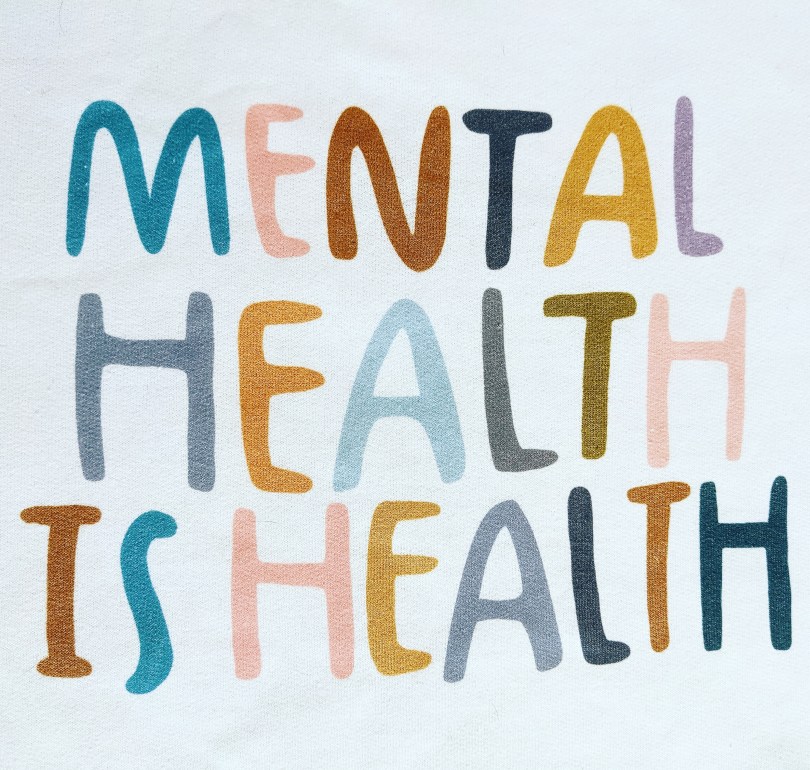
I have this sweatshirt I purchased recently that says “Mental health is health.” I love it not only because it’s cute and comfortable, but because of the message it broadcasts. Mental health affects our physical health. They are so intricately connected that to really be in a state of health at all, our mental health must be cared for. 

It only takes doing a quick Google search to get thousands of results on the link between mental health and physical health. One of the results I found was from the Hillside Mental Health Facility’s blog, and it described some of the warning signs that a person’s mental health may be negatively shifting, which included:

  • Changes in sleeping and eating patterns
  • Withdrawal from friends, family and activities
  • Loss of energy
  • Increasing irritability and mood swings
  • Loss of performance at school or work

Looking back, I realize now that I was also losing motivation at work, and having increased irritability with members of my family. Basically, I was exhibiting most of these warning signs. 

I should have noticed more of the red flags. I know from past experience that when I’m stressed or overwhelmed, (or when depression might be kicking in), I tend to cope by sleeping. Some people can’t sleep when they’re anxious or stressed, but I tend to start checking out and want to sleep all of the time. 

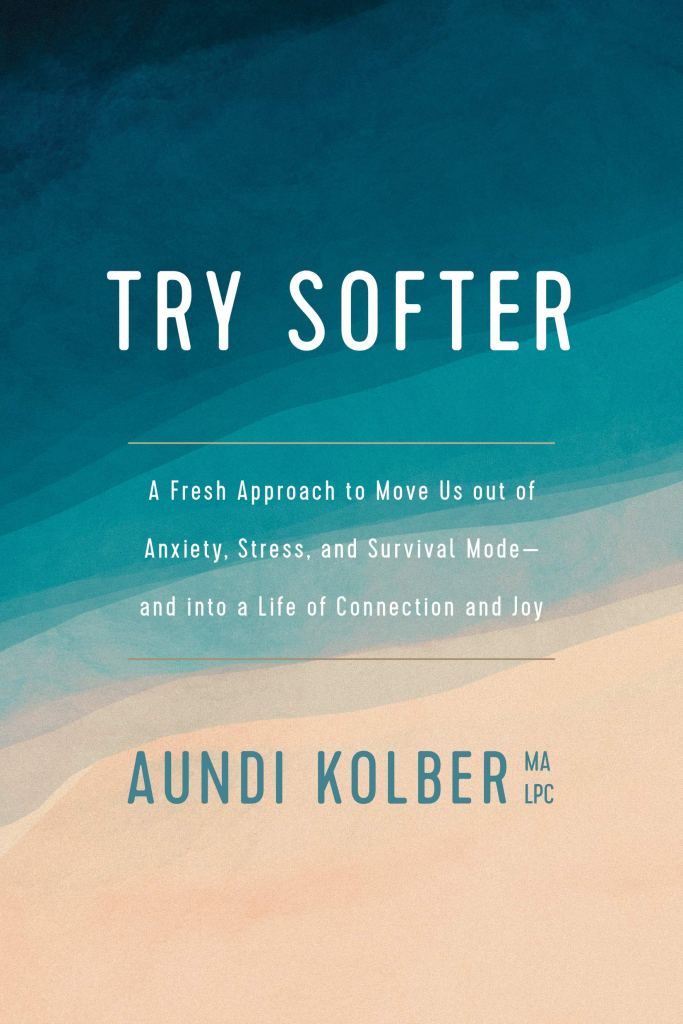
In the book Try Softer by Aundi Kolber, (one of my top recommended books!) she describes the idea of your “window of tolerance” (WOT). She is referring to our ability to tolerate discomfort, specifically emotional discomfort. All of us have an amount of emotional discomfort or growing pains that we can tolerate – this is our “just right” amount where we won’t be at risk of becoming overwhelmed emotionally and physiologically. But once we hit our limits, we can either go into hyperarousal or hypoarousal. 

Hyperarousal mode feels like being overwhelmed with adrenaline or anger. You are out of control. You may feel the need to be moving (trying to flee whatever stressful event you are experiencing).

Hypoarousal mode causes a person to feel sluggish or depressed. You become disconnected from the world. In a word, numb. 

Read More »