For the past few weeks, I’ve been really tired. Like REALLY tired. I found myself falling asleep on the couch after work – going to bed at 8:30 – coming home in the middle of the day to take naps… It seemed like no matter how much sleep I got, I still felt exhausted.
I began wondering if something weird was going on. Was I sick? Was I pregnant? Did I have COVID and my only symptom was intense fatigue?
If you’re a follower of my blog, you’ll notice that in the past three weeks, I haven’t published anything. Not only that, I really didn’t write anything at all those few weeks – not drafts, not personal journaling or anything. I normally try to get up early to have quiet devotional time and to write, but even though I set my alarm to get up early (and had gone to bed at a reasonable hour), I still woke up every day feeling tired and hit the snooze button.
What was going on?
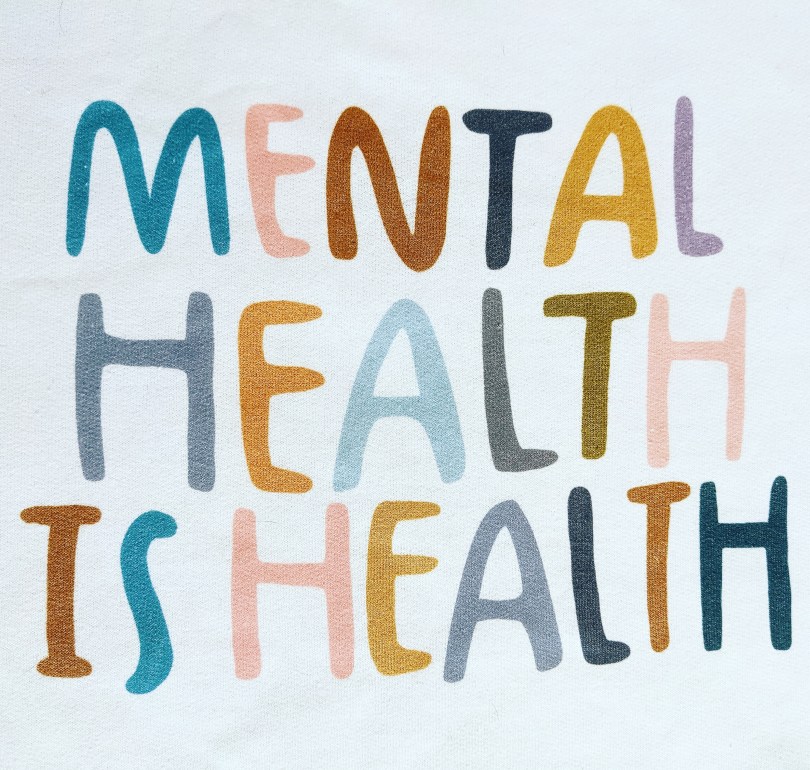
I have this sweatshirt I purchased recently that says “Mental health is health.” I love it not only because it’s cute and comfortable, but because of the message it broadcasts. Mental health affects our physical health. They are so intricately connected that to really be in a state of health at all, our mental health must be cared for.
It only takes doing a quick Google search to get thousands of results on the link between mental health and physical health. One of the results I found was from the Hillside Mental Health Facility’s blog, and it described some of the warning signs that a person’s mental health may be negatively shifting, which included:
- Changes in sleeping and eating patterns
- Withdrawal from friends, family and activities
- Loss of energy
- Increasing irritability and mood swings
- Loss of performance at school or work
Looking back, I realize now that I was also losing motivation at work, and having increased irritability with members of my family. Basically, I was exhibiting most of these warning signs.
I should have noticed more of the red flags. I know from past experience that when I’m stressed or overwhelmed, (or when depression might be kicking in), I tend to cope by sleeping. Some people can’t sleep when they’re anxious or stressed, but I tend to start checking out and want to sleep all of the time.
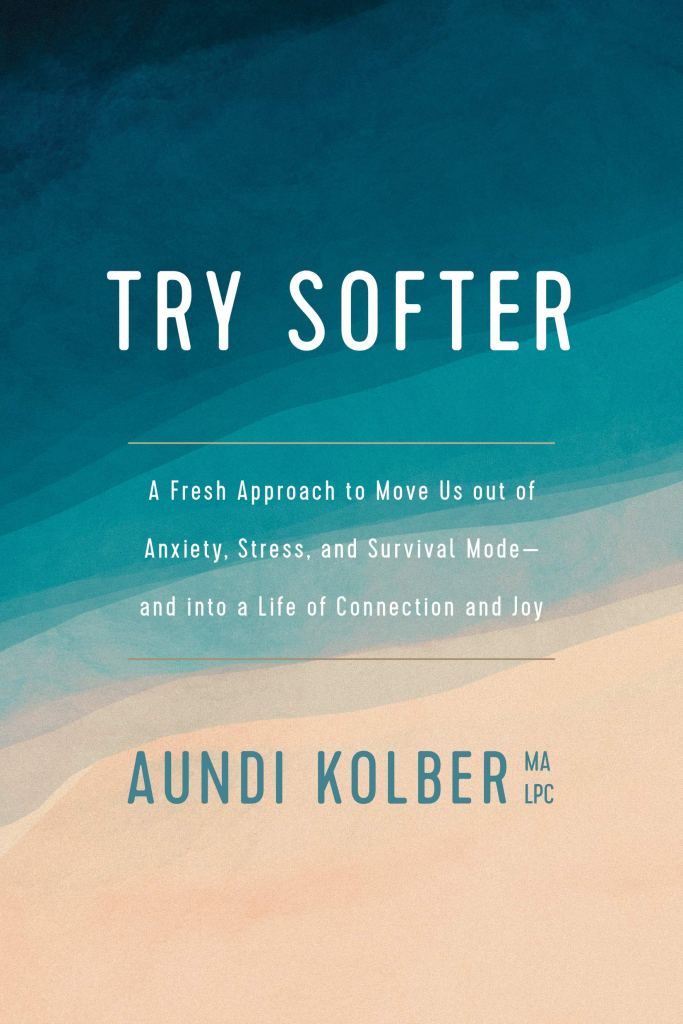
In the book Try Softer by Aundi Kolber, (one of my top recommended books!) she describes the idea of your “window of tolerance” (WOT). She is referring to our ability to tolerate discomfort, specifically emotional discomfort. All of us have an amount of emotional discomfort or growing pains that we can tolerate – this is our “just right” amount where we won’t be at risk of becoming overwhelmed emotionally and physiologically. But once we hit our limits, we can either go into hyperarousal or hypoarousal.
Hyperarousal mode feels like being overwhelmed with adrenaline or anger. You are out of control. You may feel the need to be moving (trying to flee whatever stressful event you are experiencing).
Hypoarousal mode causes a person to feel sluggish or depressed. You become disconnected from the world. In a word, numb.
Read More »
 Threads of Anxiety