our family

Secondary Infertility: Our Story of Unsuccessfully Trying for Baby #2

17 cycles.

My husband and I have been trying to have a baby for 17 consecutive cycles.

Really we have tried for longer than that – back in the summer of 2019, when my son Calvin had just turned 3, we tried a few times to get pregnant, but decided to stop because I ended up needing foot surgery. (Calvin is now 5 years old.)

About 7 months ago (March 3, 2021), I told my doctor at my annual gynecologist appointment that I was concerned about possible fertility issues. Literally yesterday (September 21, 2021 as of writing this) we had an appointment with a men’s fertility specialist, who wants to run more tests, and then possibly refer us to a different fertility specialist (for me) if we end up needing to pursue treatments like IUI or IVF. We were warned that it will most likely take between *6-12 months to get in to see this particular specialist.

At that point, it will be somewhere between 2 and 2.5 years that we will have been trying to have a baby, and we will only just be going to our initial appointment with the last specialist we need to see.

My advice for anyone who thinks they may be having fertility issues: don’t wait any longer than you have to before getting some tests done – you can always cancel the tests/appointments if you end up getting pregnant. I had no idea it could be this long of a process just to actually get the problem narrowed down and get in to the doctors I need to see. I’m not sure if that’s because there is a shortage of fertility specialists (there are none in Abilene) or if fertility problems are becoming more common, but it’s definitely been discouraging to think that we might not even be able to begin to pursue some of these treatments until Fall of 2022 (when I will be close to 36 years old.)

Honestly, I’m not totally sure if I really want to pursue treatments like IUI or IVF. Secondary infertility is a weird position to be in. If we had no children, I think perhaps I would want to try it. But we do have one, and when I think about the costs and (probably low) success rates associated with these kinds of invasive treatments, I’m just not sure it will be the right choice for us.

I feel like a lot of people don’t know how to respond when I tell them we are having trouble having a second child. Sometimes I get answers like, “at least you have one kid!” I don’t recommend saying this to anyone who is trying to get pregnant with their second. I’m very thankful we have Calvin and that we got pregnant so quickly with him. But it’s totally okay and valid for me to want a bigger family. That doesn’t make me a selfish person. I can be thankful and longing for more at the same time.

The most helpful and supportive things people have said to me, I’ve listed below:

  • “We are praying for you every day.”
  • “That is so heartbreaking to go through.”
  • “How did your appointment go? Do you want to talk about it?”
  • “Calvin is a great kid.”
  • “You’re a good mom.”

I put those last two in there because it’s nice to hear those things instead of, “when are you going to give Calvin a sibling?” or “do you guys think you’ll have any more kids?” These questions make me feel like others view my family as incomplete, or not good enough.

Read More »
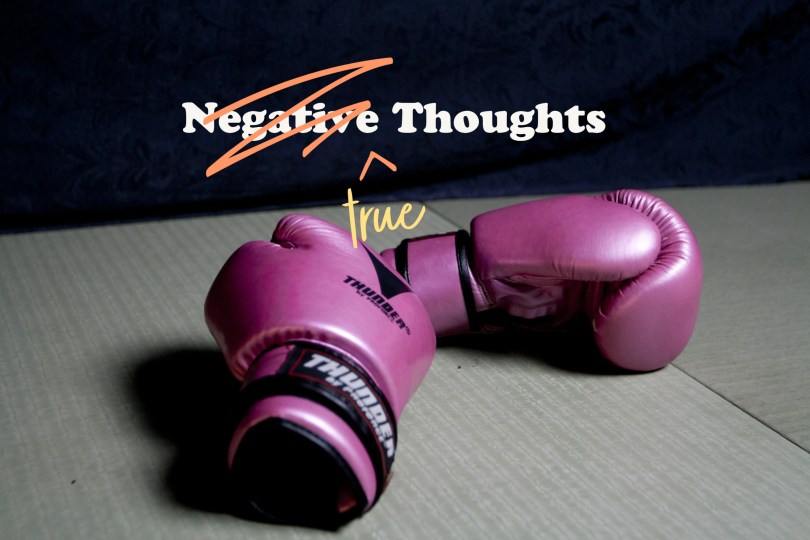
pink boxing gloves

Guest Post: Combating Negative Thoughts

Greetings! I’m not sure exactly how to introduce myself here, but my name is Megan, and I am a friend of Erica’s. She asked me if I’d write something “related to mental health” for this month as a guest post, and I agreed because mental health is such an important topic, especially in my life. When I was a teenager, I was diagnosed with ADHD and depression, and an anxiety diagnosis was added on during my adulthood. I’m very open about my mental health history, which (I suspect) is probably why Erica was comfortable asking me to pick a topic to write about.

As someone who deals with anxiety and depression, one of the things I struggle with the most is fighting against negative thoughts. Some of these thoughts are specific ideas I go back to time and again when I am feeling down about myself, and some are intrusive thoughts that will pop up in my head when I am dealing with a particularly difficult situation. Either way, both types of negative thoughts start a spiral where my mood just drops down significantly. Once that happens, it can be hard to lift myself back up again.

My family occasionally sees a family counselor to work on creating a healthy dynamic at home, and during a recent session we spoke about some ways to combat these types of thoughts. I was actually a bit reluctant to talk about it at first. It seems like for years I’ve been inundated with “think positive” messages from all over, from the media, to my friends, to my doctors. And all it seemed to do was put pressure on me. I even developed a new recurrent negative thought of maybe I’m just a negative, toxic person because I couldn’t stop negative thoughts from popping up.

Before our family counselor began sharing any exercises with us though, she emphasized to us that it’s important we know negative thoughts are perfectly normal. Hearing this was like a weight being lifted off my shoulders! I’d been berating myself for so long for having so many negative thoughts, but maybe I could let go of some of that judgment towards myself.

One of the ways she showed us how to combat negative thoughts is to 1) acknowledge the thought, and 2) immediately replace it with something that we know to be true and good. I’ll give some examples below:

“I hate my life!” —–> “I don’t hate my life. I’m struggling with this situation, but I know what to do and I will get through this.”

“I’m so dumb.” —–> “I’m not dumb. I feel a little silly for the mistake I made, but I’m capable of so many things and I’ll continue to do my best.”

Sometimes therapy exercises can feel a little awkward, but she had us come up with some typical thoughts that pop up, and we practiced rewriting those. And then we gauged how we felt after reading each sentence, both the negative and then the changed one.

For me, now that I’ve had some time to practice this in my real life for several weeks, I’ve found changing my thoughts to be an empowering experience. Negative thoughts may come, but they don’t have to control me. If you find that you struggle with this type of thinking, I encourage you to perhaps try this exercise for yourself and see if you feel the same way.

Thanks for reading my small contribution to Erica’s blog! And a big thanks to Erica for asking me to share.

Megan is a military spouse and stay-at-home parent to her two daughters, Heidi and Thea. She has a Bachelor’s degree in Communication Studies from Wright State University (Go Raiders!). She has lived in Abilene, TX for the last 4.5 years, and she enjoys traveling across the world to get new stamps in her passport with her family. She is also an extrovert at heart and loves coffee dates, window shopping, and game nights with friends. 

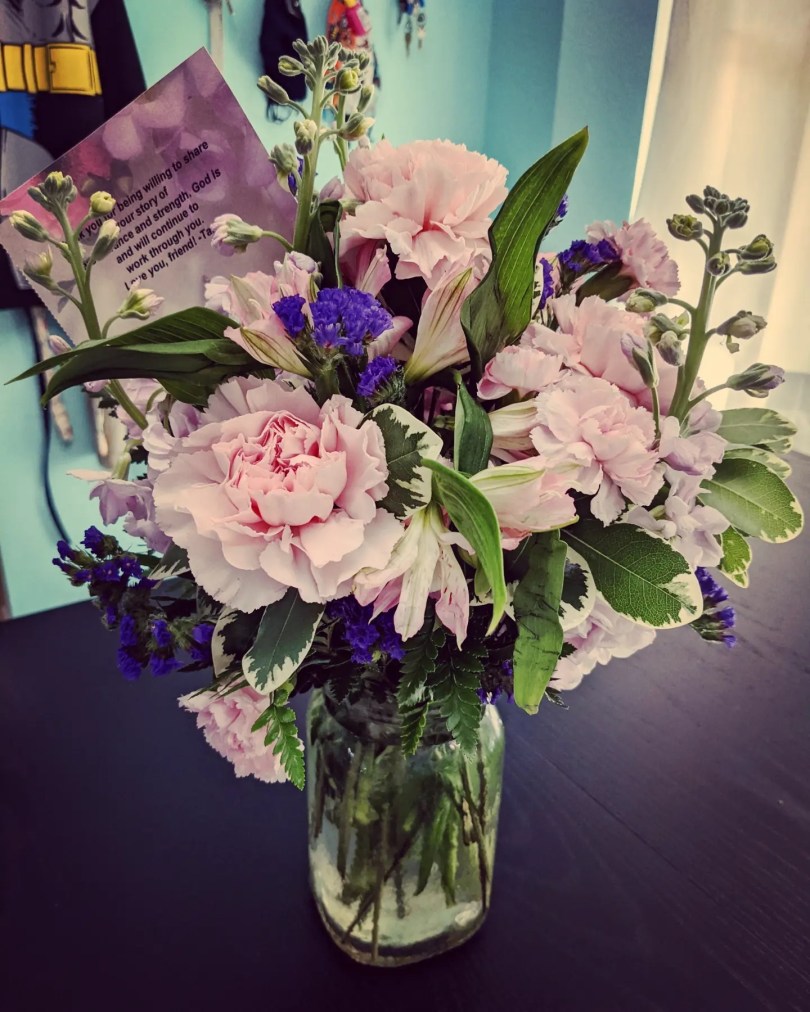
bouquet of flowers in vase

5 Years After Postpartum Depression

It’s 5 years out from the day I went to the emergency room for postpartum depression

July 26th will always be a significant date to me for that reason. In years past, it was always a day that filled me with guilt and shame. A day that reminded me of my ultimate failure as a mother. 

The lie that “I’m not a good mother” still tries to creep in every so often, especially today, but I’m getting better at recognizing it for what it is: a lie. 

5 years ago what I needed was to get help. I needed to go to the psych hospital and recover until I could be safe enough to be on my own. I gave up a week of my life with my baby so I could spend the rest of my life being the mother he needed me to be. It was the right decision. 

I’m thankful to my husband for having the courage to make the difficult decision to take me to the ER. It was scary and stressful, and I wasn’t in any state of mind to be at all helpful. I’m thankful for his background in mental health and for his experience with crisis work. I’m thankful he didn’t wait and hope I would get better on my own. 

I’m thankful for the person I’ve become because of this experience. I’m thankful for the opportunity to practice vulnerability with people, to share my story with others, and to make meaning out of suffering. 

I’m grateful for my postpartum depression being a wake up call to my obsession with perfection. I appreciate how this experience humbled me, how it helped me to realize that I’m not in control of everything, and how I learned that doing my best is oftentimes better than doing something perfectly. And everyone’s “best” looks different.

I’m grateful to be in a healthy place emotionally about this experience. I really feel like I hit a turning point last year, 4 years after the event. Honestly, I think it took about 3-4 years to really fully recover mentally from the depression. Healing is such a long process. 

I’ve said before that going through this made me a stronger person, but I am only stronger because I recognize my weaknesses and my shortcomings. And because I accept them. I accept myself.  

I’m grateful to have been writing on Threads of Anxiety for four years now, and look forward to more years in the future. 

Thanks for reading.